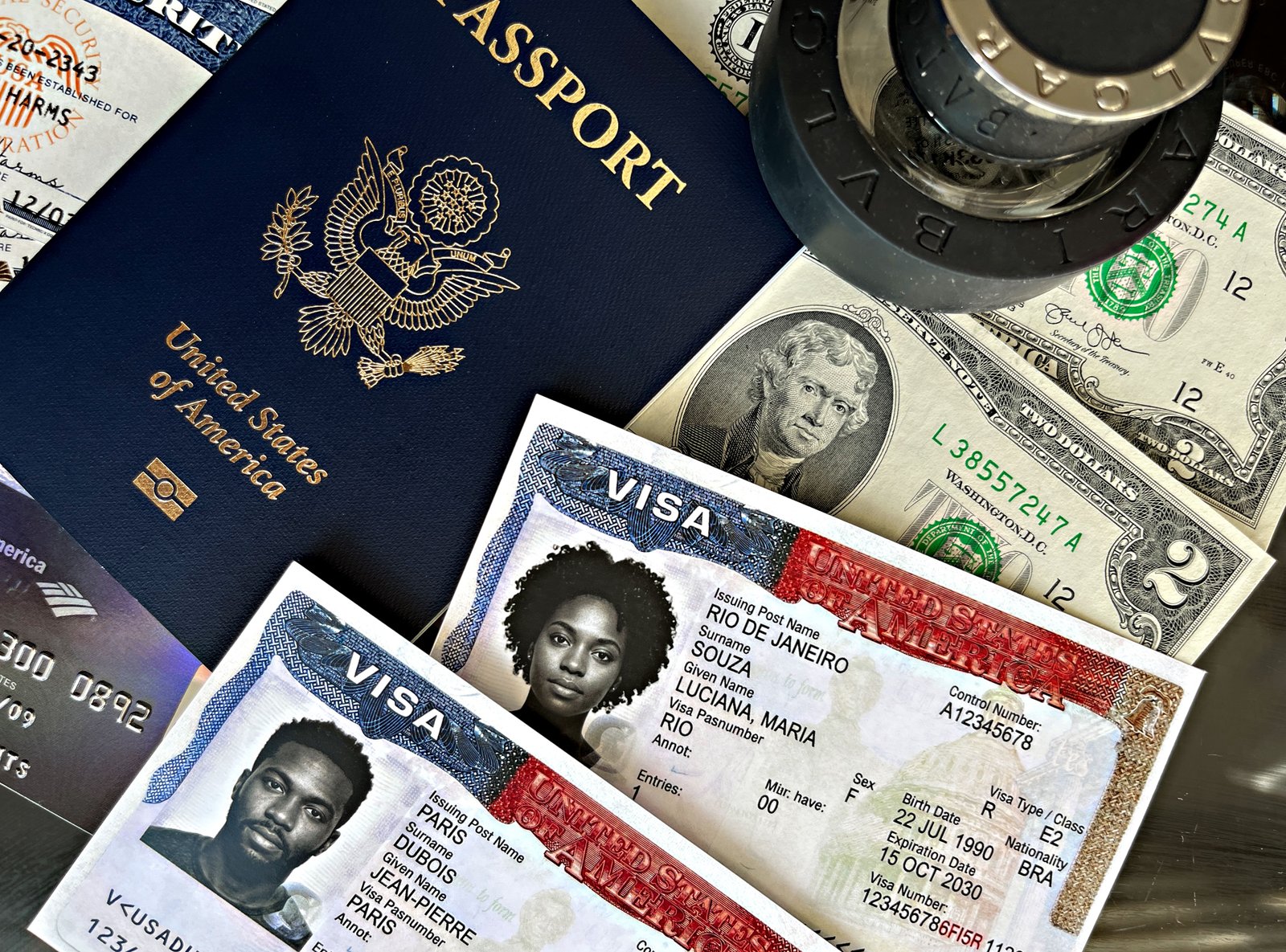
This is where visa sponsorship jobs become important.
Some employers recruit qualified workers from other countries and support the immigration process that allows them to take up employment. These opportunities exist in sectors such as healthcare, engineering, information technology, education, construction and skilled trades.
But there is an important distinction: a company advertising an international vacancy does not automatically mean it will sponsor your visa. You must check the specific job, employer and immigration requirements.
This guide explains how to identify genuine visa sponsorship opportunities, where to search and how to apply from countries such as Nigeria.
1. What Are Visa Sponsorship Jobs?
Visa sponsorship jobs are employment opportunities where an employer supports a foreign worker’s application for the appropriate work authorisation.
Depending on the country, this may involve the employer obtaining approval, providing official sponsorship documents, submitting information to immigration authorities or supporting the worker’s application.
For example, under the UK’s Skilled Worker route, an applicant generally needs:
-
A confirmed job offer from an approved UK employer.
-
A Certificate of Sponsorship from that employer.
-
A job that meets the eligible occupation requirements.
-
The required salary for the role and visa route.
-
Evidence of English language ability where required.
The employer’s sponsorship does not automatically guarantee that the visa will be approved. The applicant must still meet the immigration rules.
GOV.UK+1
Visa sponsorship also does not necessarily mean the employer will pay for your flight, accommodation or every relocation expense. Ask what support is included in the employment offer.
2. Which Countries Should You Consider?
The right destination depends on your profession, qualifications, experience and the country’s immigration rules. Rather than assuming one country is easiest, research places where employers recruit internationally in your occupation.
Some destinations worth researching include:
United Kingdom
The UK recruits eligible international professionals through routes such as the Skilled Worker visa.
Healthcare, engineering, technology and other eligible skilled occupations may offer opportunities, but the job must meet current immigration requirements. Employers must be approved sponsors, and not every vacancy offers sponsorship.
GOV.UK+1
Useful resources:
Canada
Canada has employer-supported work permit routes, including situations where an employer needs a Labour Market Impact Assessment (LMIA). Some jobs and immigration pathways are exempt from an LMIA, depending on the applicable rules.
Do not assume that every Canadian employer can recruit foreign workers. Check the specific work permit requirements and whether the employer has completed the required steps.
Useful resources:
Germany
Germany is an important destination to consider for qualified professionals, particularly in areas such as engineering, healthcare, information technology and skilled trades.
Germany does not operate a traditional employer sponsorship system identical to the UK’s. Instead, employers provide employment documentation and support where required, while the worker applies for the appropriate residence or work visa.
make-it-in-germany.com+1
Useful resources:
Ireland
Ireland has employment permit routes for eligible non-European Economic Area workers. Depending on the occupation and conditions, an applicant may qualify for a Critical Skills Employment Permit or another employment permit.
Useful resources:
Always check the current occupation lists, salary conditions and employer requirements before applying.
3. Which Industries Commonly Recruit International Workers?
Some industries have established international recruitment channels. Your chances depend on your qualifications, professional experience, licensing requirements and the employer’s willingness to hire from abroad.
Consider researching these sectors:
| Industry | Examples of roles |
|---|---|
| Healthcare | Registered nurses, doctors, pharmacists, medical laboratory scientists |
| Engineering | Civil, electrical, mechanical and software engineers |
| Information technology | Software developers, cybersecurity specialists, cloud engineers |
| Construction | Qualified electricians, plumbers, construction managers |
| Education | Teachers, lecturers and specialist educators |
| Hospitality | Chefs, hotel managers and experienced hospitality professionals |
| Manufacturing | Skilled technicians, machine operators and maintenance specialists |
| Transport | Certain qualified drivers and logistics professionals, subject to local rules |
Healthcare is one area with established international recruitment programmes. For example, the UK’s NHS recruitment portal advertises opportunities for healthcare professionals, but individual vacancies specify whether sponsorship is available.
Useful starting points include:
A qualification in a regulated profession may need recognition or registration in the destination country before you can practise. Check this requirement before applying.
Important for care workers: The UK closed new overseas Skilled Worker applications for care workers and senior care workers on 22 July 2025. Be very cautious of anyone currently promising Nigerians a new UK care-worker visa through this route.
GOV.UK+1
4. Where Can You Find Genuine Visa Sponsorship Jobs?
Finding the right vacancy is often more difficult than preparing the application. Start with official employer career pages and established job platforms.
Here are useful places to search:
1. NHS Jobs
Search for healthcare vacancies across the UK. Read each job description carefully because some employers offer sponsorship while others do not.
Search Canadian vacancies and explore opportunities for temporary foreign workers. The Canadian government provides a dedicated route for finding employers who are recruiting internationally.
Use Germany’s official job listings to discover opportunities for qualified international professionals.
Search using terms such as “visa sponsorship”, “relocation support” and “international applicants”. Confirm the sponsorship position with the employer.
5. Indeed
Search by job title and destination country. Include phrases such as “visa sponsorship available” in your search.
6. EURES
Explore European employment opportunities and information about working across participating European countries. Remember that vacancies do not automatically provide a work permit for non-EU applicants.
You can also visit the career pages of international companies directly. Search for the company name followed by “careers” and review its current vacancies.
5. How to Confirm Whether a Job Actually Offers Sponsorship
This is one of the most important steps.
A vacancy can be advertised as an international opportunity without the employer agreeing to sponsor a foreign worker. Before applying, look for clear wording in the job description.
Examples include:
-
Visa sponsorship available for eligible candidates.
-
Certificate of Sponsorship provided.
-
International applicants welcome.
-
Relocation assistance available.
-
Applicants must already have the right to work in this country.
-
No visa sponsorship available.
These statements mean different things. For example, relocation assistance may cover moving expenses but does not necessarily mean the employer will arrange your work visa.
For UK vacancies, check whether the employer appears on the official Register of Licensed Sponsors. Remember that an employer’s presence on this list does not mean every job it advertises is eligible for sponsorship.
GOV.UK
For Canada, an employer-specific work permit generally requires a genuine job offer and employer steps such as obtaining an LMIA where required. Some work permit categories are exempt.
Canada+1
If the advert does not mention sponsorship, contact the recruitment team and ask whether they consider applicants who require work authorisation.
6. Prepare a Professional International CV
Your CV is one of the first things an overseas employer will review. It should clearly show that your qualifications and experience match the vacancy.
Include:
-
Full name and professional contact details.
-
A short professional summary.
-
Relevant qualifications and education.
-
Previous employment and responsibilities.
-
Professional certifications and licences.
-
Technical and practical skills.
-
Relevant achievements and measurable results.
-
References, if requested.
Tailor your CV to each vacancy rather than sending the same document everywhere.
For example, if you are applying for a nursing position, highlight your clinical experience, relevant training, professional registration and areas of specialisation.
If you are applying for a software engineering role, emphasise your programming languages, projects, technical experience and portfolio.
Use clear language and provide accurate information. Never invent employment history or qualifications.
7. Understand the Documents You May Need
Different countries and employers have different requirements, but international job applications commonly involve:
-
International passport.
-
Updated CV or résumé.
-
Academic certificates and transcripts.
-
Professional licences or registration documents.
-
Employment reference letters.
-
Evidence of relevant work experience.
-
English or other language proficiency results, where required.
-
Police clearance or medical examination, where required.
-
Employment offer and sponsorship documents.
For example, Canada’s employer-specific work permit applications may require an employment contract, job offer and positive LMIA documentation where the position requires one.
Canada+1
Do not pay for document processing through an unknown agent. Confirm the actual requirements and fees through the relevant government immigration website.
8. Apply Directly to Employers
You do not always need a recruitment agent to find an overseas job.
A straightforward application process looks like this:
-
Identify the country and industry you want to work in.
-
Find a suitable vacancy on an official job platform or employer website.
-
Read the job requirements and confirm that international applicants are eligible.
-
Check whether the employer offers sponsorship for that particular role.
-
Prepare your CV and supporting documents.
-
Submit your application through the official recruitment portal.
-
Attend interviews and complete any required assessments.
-
If selected, review your written employment offer and sponsorship documentation.
-
Follow the official immigration application process.
Do not resign from your current employment, pay large relocation expenses or make travel arrangements based only on a verbal promise. Wait until the relevant employment and immigration arrangements have been properly confirmed.
9. Avoid Fake Visa Sponsorship Offers
International job seekers are often targeted by people claiming they can arrange guaranteed jobs and visas.
Be careful if someone:
-
Demands money to secure a job offer.
-
Promises a guaranteed visa without reviewing your qualifications.
-
Claims to have a special connection with an embassy.
-
Sends an offer letter from an email address unrelated to the company.
-
Refuses to arrange an interview with the employer.
-
Requests your banking PIN, password or verification code.
-
Pressures you to pay immediately for supposed sponsorship documents.
Verify the company independently. Find its official website and contact details rather than relying only on information provided by the recruiter.
For applicants in Nigeria, also check whether a recruitment agency is properly authorised to carry out the services it claims to offer. Read the employment contract carefully and confirm the visa process with the destination country’s immigration authority.
You can also read our guide: How to Verify Overseas Job Offers and Avoid Scams in Nigeria.
10. How to Improve Your Chances of Getting a Sponsored Job
Employers usually have to justify recruiting internationally, particularly where immigration rules require them to demonstrate that a position meets specific conditions.
You can improve your competitiveness by:
-
Developing skills that are relevant to international employers.
-
Gaining practical experience in your chosen profession.
-
Obtaining recognised professional certifications.
-
Improving your communication and interview skills.
-
Researching countries with demand for your occupation.
-
Applying to jobs that match your actual qualifications.
-
Preparing a professional CV and strong references.
-
Monitoring official employer career pages regularly.
If you are still studying or have limited work experience, consider building your professional profile before focusing entirely on sponsored opportunities.
A relevant qualification, practical experience and evidence of your ability can make your application stronger.
A Simple 7-Day Plan to Start Searching
| Day | Action |
|---|---|
| Day 1 | Choose two countries where your profession has suitable employment pathways. |
| Day 2 | Research their work visa requirements. |
| Day 3 | Identify employers that recruit international professionals. |
| Day 4 | Update your CV and supporting documents. |
| Day 5 | Search for vacancies that mention sponsorship or international recruitment. |
| Day 6 | Verify employers and submit suitable applications. |
| Day 7 | Record your applications and prepare for possible interviews. |
Continue checking new vacancies and improving your applications each week.
Frequently Asked Questions
Can I get a visa sponsorship job from Nigeria without an agent?
Yes. You can apply directly through official company career pages and recognised job platforms. An agent is not a compulsory requirement for every international employment application.
Do companies pay for flights and accommodation?
Some employers provide relocation assistance, while others only support the work authorisation process. Check the employment offer to understand exactly what is covered.
Can I get a visa sponsorship job without a university degree?
Some countries and occupations allow qualified applicants without university degrees, provided they meet the relevant experience, skill and immigration requirements. The rules depend on the job and destination.
Does every remote job offer visa sponsorship?
No. A remote job usually allows you to work away from an office, while visa sponsorship supports employment and residence in another country. They are different arrangements.
Which country is easiest to get a sponsored job in?
There is no universally easiest country. Your chances depend on your occupation, qualifications, experience, language ability and the country’s current immigration rules.
CONCLUSION
Getting a job abroad with visa sponsorship is possible, but it requires more than finding an attractive vacancy online. You need to identify employers that recruit internationally, understand the relevant immigration requirements and demonstrate that you are qualified for the position.
Start with your profession, research suitable destinations and apply directly to genuine employers. Be patient, verify every offer and never pay someone who promises to guarantee you a job or visa.
